
About me
I’m a PhD candidate in Applied Mathematics and Statistics at the Colorado School of Mines, advised by Dr. Daniel McKenzie and Dr. Samy Wu Fung. My research lies at the intersection of deep learning and optimization: I study neural networks that can think longer to solve harder problems, and how to train them faster. I’m seeking data science and machine learning roles starting early 2027.
What I do
Build
I love to design the simplest system that solves the problem, adding complexity only when necessary. At Oak Ridge National Laboratory (ORNL), I helped build a geospatial ML pipeline covering 898,000 buildings. For my maze research, I co-authored maze-dataset, a peer-reviewed open-source package with 80+ GitHub stars. Across projects, I work in Python, PyTorch, SQL, Docker, and AWS/GCP.
Evaluate
I stress-test models to find where they break and why, because you don't know a system until you know its limits. Our AAAI 2026 paper traced neural networks' out-of-distribution failures to a hidden shortcut heuristic, and my controlled ablation at ORNL showed that a recent global height dataset adds nothing to prediction accuracy.
Communicate
I explain complex ideas simply because it forces me to understand deeply. I've briefed multi-billion-dollar cost analyses to senior decision-makers across federal agencies including the US Navy, Air Force, and NASA, taught Differential Equations to 60 students as Instructor of Record, and led a coding bootcamp for incoming PhD students.
Featured projects
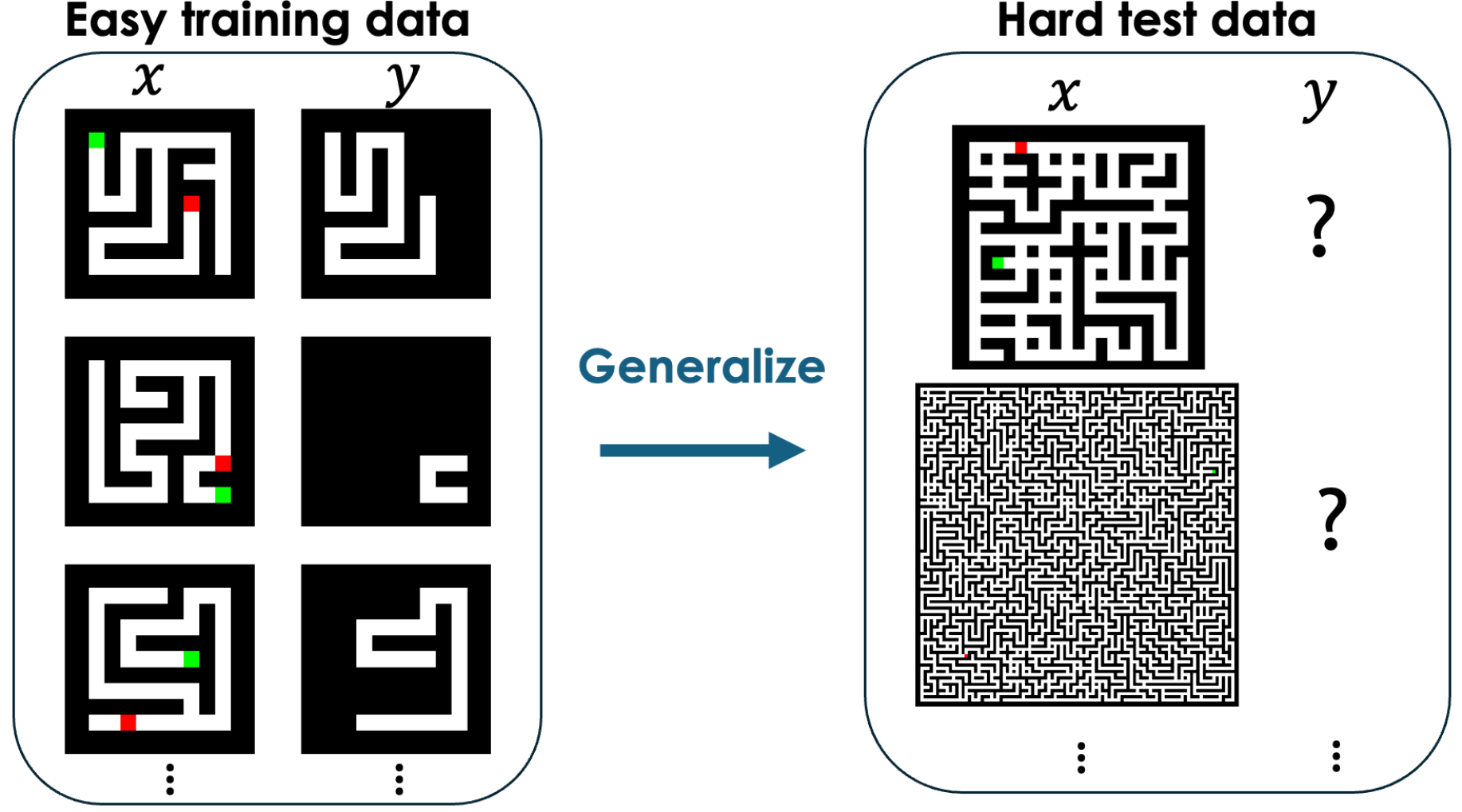
When Can Neural Networks Think Longer to Solve Harder Problems?
I stress-tested architectures designed to extrapolate on mazes far harder than their training data, uncovered the shortcut heuristic behind their success, and quantified a data-diversity trade-off. Published at AAAI 2026 (oral presentation).
Read the full story →
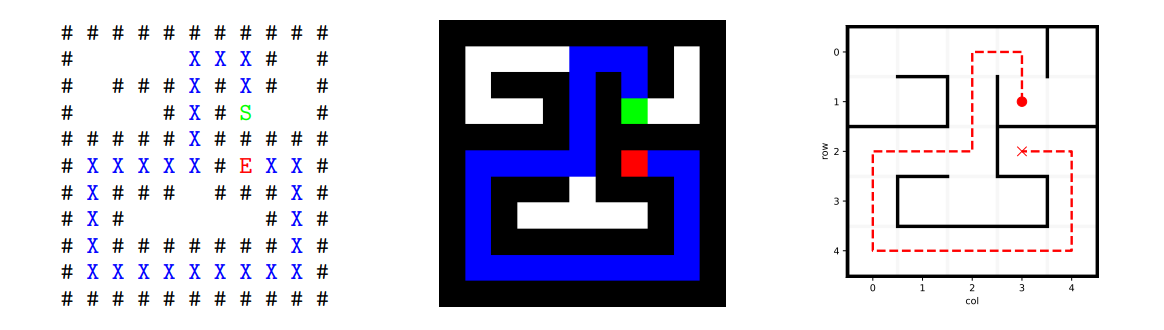
maze-dataset: Open-Source Maze Generation for ML Research
I co-authored a peer-reviewed Python package for generating, solving, and visualizing maze datasets, used in neural-network reasoning research with 80+ GitHub stars. Published in JOSS.
Read the full story →
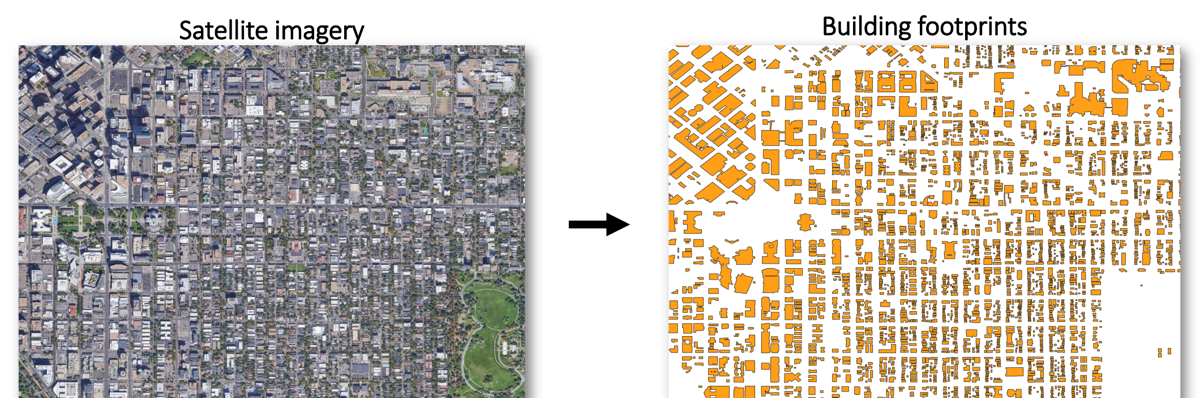
Predicting Building Heights from Satellite-Derived Footprints
At Oak Ridge National Laboratory, I trained XGBoost on 898,000 buildings to predict heights from satellite-visible footprints (0.70 m MAE), and showed that adding coarse global height data doesn’t help.
Read the full story →
Off the clock
Outside of work, you’ll find me on a pickleball court, hiking Colorado trails, gaming, or listening to Noah Kahan.